The 2023 General Session was a defining moment for Utah, and a clear example of what principled, conservative leadership can deliver.
Utah continues to lead the nation, not by chance, but because we stay grounded in the values that built this state: fiscal discipline, limited government, strong families, and a commitment to opportunity. This session, we took meaningful steps to protect and strengthen that foundation.
We delivered tax relief to Utah families, making it easier to afford the rising cost of living and ensuring our economy remains one of the strongest in the country. At the same time, we made targeted, responsible investments in education, infrastructure, and public safety, focusing on results, not bureaucracy.
We tackled one of the biggest challenges facing our communities, housing affordability, by advancing solutions that increase supply and expand access to homeownership. And we made critical commitments to water conservation and long-term sustainability, ensuring we are prepared for the future.
This wasn’t about short-term wins or headlines. It was about doing the hard work to keep Utah on the right track for the next generation.
We passed over 500 bills and responsibly managed a $28 billion budget, always focused on delivering real results for the people of this state.
I’m grateful for the trust you’ve placed in me to represent our community. I will continue to fight to protect what makes Utah exceptional and ensure our state remains the best place to live, work, and raise a family.
Bills Sponsored & Passed Passed in 2023
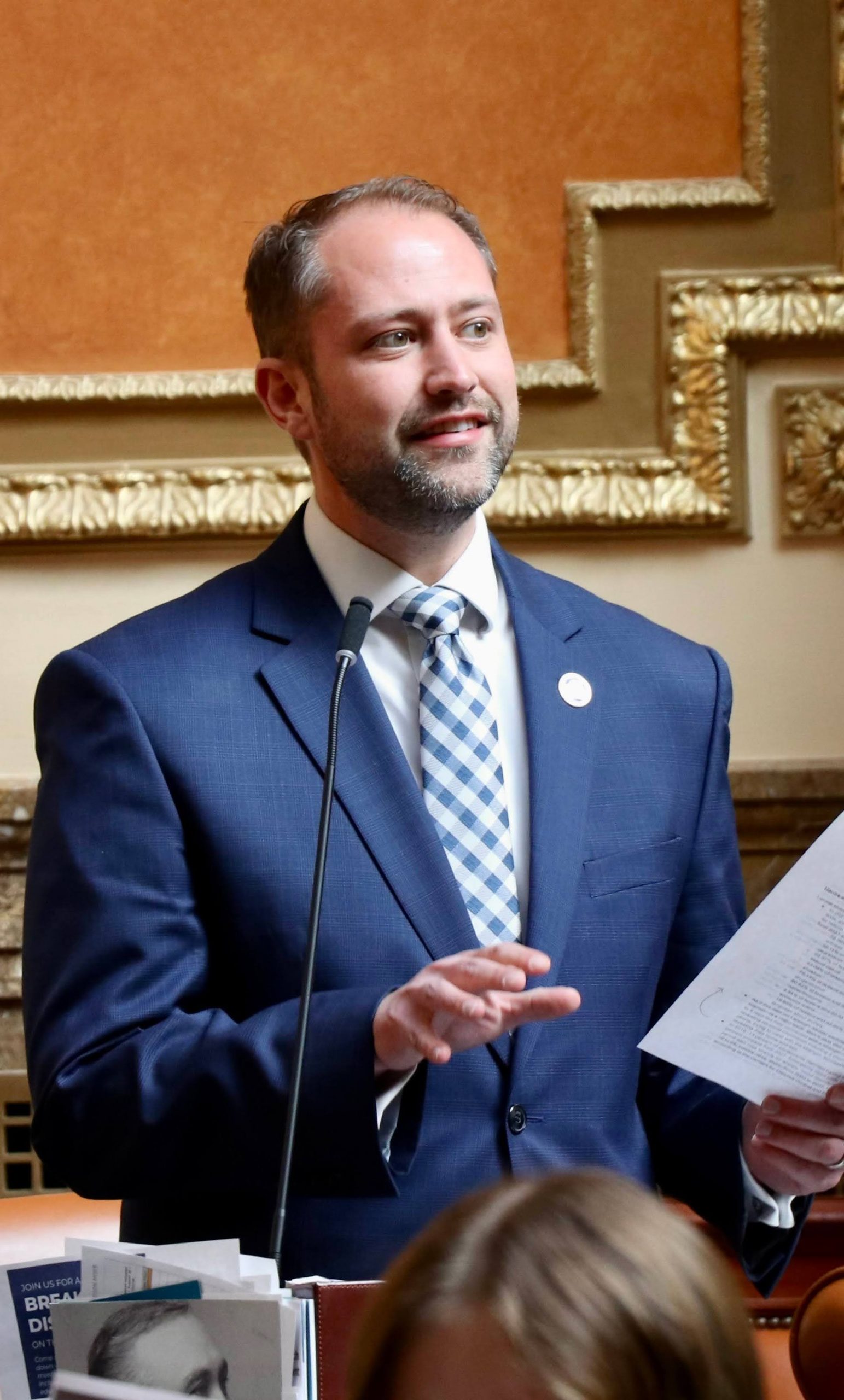 I was proud to be the chief sponsor or House floor sponsor of the following bills that passed during the 2023 General Session:
House Bills
H.B. 12: Department of Commerce Electronic Payment Fees: Allows the Department of Commerce to charge a convenience fee for electronic payments, ensuring that the cost of credit card and online transactions is covered by those using the service rather than passed on to all taxpayers, improving fairness and cost transparency.
H.B. 102: Higher Education Residency Amendments: Allows legal residents of Utah to qualify for in-state tuition by clarifying residency requirements, expanding access to more affordable higher education for those who have established lawful residency in the state.
H.B. 174: Conviction Reduction Amendments: Expands opportunities for individuals to reduce certain criminal convictions after demonstrating rehabilitation and a sustained period of law-abiding behavior, helping remove barriers to employment and housing while maintaining accountability.
H.B. 192: Traffic Violation Amendments: Builds on the deferred prosecution program by allowing drivers who received a ticket in the prior year to still qualify if they complete traffic school. This expands access to the program and gives more drivers the opportunity to resolve minor violations without long-term insurance consequences if they remain violation-free.
H.B. 209: Participation in Extracurricular Activities Amendments: Allows homeschool students to participate in extracurricular activities at public high schools outside their boundary school, expanding access to athletics, music, and other programs that support student development and engagement.
H.B. 311: Social Media Usage Amendments: A first-in-the-nation law that positions Utah as a leader in protecting minors online by increasing accountability for social media companies when their platforms fail to safeguard children and harm results, helping drive stronger protections for kids in the digital space.
H.B. 351: County Recorder Modifications: Establishes the County Recorder Standards Board to create consistent standards for how documents are recorded, stored, and accessed across the state, improving efficiency and accuracy in property and public records.
H.B. 353: Sales Tax Return Requirements: Prevents cities and counties from requiring a sales and use tax license as a condition to obtain a business license or otherwise operate, reducing unnecessary barriers and making it easier for businesses to get started and comply with the law.
H.B. 357: Decentralized Autonomous Organizations Amendments: Positions Utah as a leader in digital innovation by creating a legal framework for decentralized autonomous organizations (DAOs), providing clarity on governance, liability, and recognition under state law.
H.B. 358: County Auditor Amendments: Clarifies the role and responsibilities of county auditors, including authorizing them to conduct performance audits, strengthening oversight and improving accountability in how public funds are managed.
H.B. 365: Voter Affiliation Amendments: Improves election integrity by refining rules around party affiliation, helping ensure that participation in party primaries reflects voters who have aligned with that party under clear and consistent timelines.
H.B. 374: County Sheriff Amendments: Clarifies the authority and responsibilities of the Salt Lake County Sheriff by preventing the sheriff from serving as the head of an interlocal police agency, addressing potential conflicts of interest and helping avoid double taxation for residents.
Senate Bills
S.B. 67: Juvenile Commitment Amendments: Strengthens the juvenile justice system by clarifying when a youth can be committed to secure care, ensuring that higher levels of supervision are reserved for more serious cases while maintaining a focus on rehabilitation and public safety.
S.B. 81: Property Tax Deferral Revisions: Expands and clarifies property tax deferral options for eligible individuals, helping seniors and others on fixed incomes remain in their homes while maintaining clear repayment structures.
S.B. 152: Social Media Regulation Amendments: Creates stronger protections for minors on social media by requiring safeguards around account access, data use, and parental involvement, helping address the growing impact of social media on youth.
S.B. 160: Blockchain Liability Amendments: Provides legal clarity for blockchain and digital asset technologies by defining liability protections and responsibilities, supporting innovation while ensuring accountability.
S.B. 220: Juvenile Court Judge Amendments: Adds an additional juvenile court judge in the Fourth District, providing needed resources to handle growing caseloads and helping ensure cases are resolved more efficiently for families and youth.
S.B. 230: Kickback Prohibition Amendments: Strengthens consumer protections by prohibiting certain referral and kickback arrangements, helping ensure decisions are made in the best interest of consumers rather than financial incentives.
In addition to the legislation I personally sponsored, this session as the House Majority Caucus we set out we focused our efforts around three important policy pillars:
- Stewardship (Water, Energy, and Land Management)
- Affordability (Lowering Taxes, Reducing Government Overreach, and Increasing Housing Affordability)
- Investment (Education, School Safety, and Transportation)
